Opportunities and Obstacles in the AI Data Center Market
Key Takeaways
- AI's growth is tripling data center load growth, with demand expected to double or triple again by 2028, significantly impacting energy infrastructure nationwide.
- Construction of hyperscale data centers now supports power densities exceeding 50kW per rack, requiring innovative electrical and cooling solutions to handle extreme heat and performance demands.
- Sustainability initiatives include waterless cooling, renewable energy integration, and low-carbon materials, aiming to reduce environmental footprints amid increasing energy consumption.
- Labor shortages in skilled electrical trades pose risks to project timelines and quality, prompting increased training programs and off-site manufacturing to enhance efficiency and safety.
- Future trends focus on extreme density, liquid cooling, modular construction, and green energy, with data centers moving toward self-generation and AI-optimized energy management for resilience and sustainability.
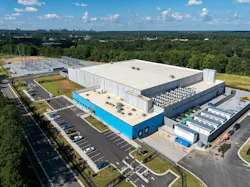
The rise of artificial intelligence (AI) is powering a surge in data center construction nationwide. Over the last decade, data center load growth has tripled, and by 2028, it could double or triple again, according to the U.S. Department of Energy.
“Data centers are evolving into highly specialized AI factories, demanding greater scale, cooling, power, and speed, all while trying to balance immense environmental footprints with sustainable practices,” said Miguel Garcia, senior vice president of Mission Critical Services for Loenbro, a Westminster, Colo.-based company that partners with U.S. companies requiring critical electrical, mechanical/structural, soft craft, inspection, underground maintenance/ installation, and fabrication services.
While commercial construction activity slowed in 2025, data centers and energy infrastructure have surged, due to the rapid adoption of AI, increased demand in cloud services, and the rise in energy needs, according to Deloitte. The research company predicted data center power demand could increase to 176GW in 2035 — a five-fold increase from 33GW in 2024.
Chuck Goodrich, CEO of Gaylor Electric, a national electrical and design-build contractor in Indianapolis, said AI is the single most influential driver of data center demand today.
“Industry analysts predict that electricity consumption for data centers could double by 2030, with AI workloads accounting for the majority of this surge,” Goodrich said. “This explosive growth has triggered a wave of development announcements across nearly every region where we operate, reinforcing the critical role AI has in determining infrastructure needs.”
This expansion of the data center market is fueling new opportunities for contractors like Loenbro. Colorado is expected to experience a 55% overall increase in electricity demand over the coming decade, driven by AI data centers and electrification efforts, according to a Western Resource Advocates report. AI’s extreme power needs, cloud adoption, big data, and IoT are driving demand for hyperscale facilities, Garcia said.
“Generative AI and Large Learning Models (LLMs) require immense power, with AI potentially consuming significant global electricity by 2030,” he said.
For example, tech companies like Google, Meta, and Oracle are leading a surge in data center construction growth to support AI, Edge, and sovereign cloud expansion.
“Across these players, data center construction investment increased 40% to 70% year-over-year,” Garcia said. “Data centers are taking control of their energy destiny to fuel the AI boom, choosing the fastest, most reliable (albeit fossil-fuel-based) solution available to meet their extreme power demands.”
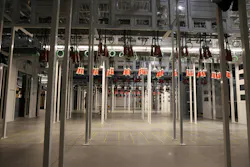
Changing landscape of data centers
The data center market is transforming, with three major factors reshaping this segment, Goodrich said.
“Scale and speed have become critical as projects grow larger and timelines compress, requiring innovative strategies to deliver faster without sacrificing quality,” he said. “At the same time, power availability is a growing challenge. Limited utility capacity in key regions is extending schedules and driving aggressive pre-leasing agreements. Finally, innovation and manufacturing initiatives have shifted from optional to expected.”
In this market, clients are now seeing partners who can deliver advanced manufacturing capabilities and reduce risk on data center projects, Goodrich said.
“Our approach has transformed dramatically over the past decade,” Goodrich said. “Today, clients actively seek partners who prioritize safety, efficiency, and speed to market — all values that align perfectly with Gaylor Electric’s philosophy.”
Power density is a prime example of this evolution, Goodrich said.
“Designs that once averaged 10kW per rack now exceed 50kW per rack for AI clusters,” Goodrich said. “This shift demands advanced electrical strategies and innovative solutions to meet escalating performance requirements.”
The growth of data centers is not only exploding in the United States, but also in Canada. Dr. Michael Magee, AI workforce innovation researcher for the Southern Alberta Institute of Technology, is seeing a mix of technical and strategic trends driving tremendous growth in this market. He said a lack of computing power is a bottleneck to the growth of AI companies, which impacts the computing demand for supporting existing AI models and developing future ones.
“Every company is competing for the computer chips that run AI models and the energy to power them,” Magee said. “The competition driving growth is between companies trying to capture the largest market share and countries racing to build their own capacity to gain superiority and sovereignty over their AI resources. These two factors are driving tremendous company and national resources toward building data center infrastructure as quickly as possible.”
In the United States, Loenbro is also noticing an explosion in scale and power for AI data centers, which now handle immense AI workloads (like ChatGPT training), requiring far larger facilities (200MW+ vs. 30MW+ a decade ago) and consuming vastly more energy (10x a Google search per query).
Due to the growth of AI, projects must be built for rapid scaling up and down to meet unpredictable AI demand, preventing costly overbuilding, Garcia said. As such, Loenbro’s clients are focusing on both flexibility and scalability as they face faster deployment cycles with industry pressure to build more quickly to keep up with AI’s rapid evolution.
“Every project follows two predictable realities: timelines will accelerate, and the work will ultimately be completed. The only variable is whether leadership remains engaged or becomes irrelevant,” Garcia said.
AI is not only impacting the construction of the data centers nationwide, but also their operations. For example, AI can optimize layouts, predict resource needs, and automate documentation. It can also help with predictive maintenance by analyzing sensor data to predict equipment failures before they happen and enhance security by improving threat detection and response.
“In reality, AI isn't just a user of data centers,” Garcia said. “Its demand is fundamentally reshaping what data centers are built for, how they are built, and how they operate, pushing boundaries in scale, efficiency, and environmental impact.”
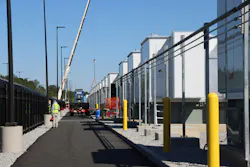
Going green
With the energy demand for data centers continuing to skyrocket, the impact of these data centers on local energy grids is a key consideration when they are being approved for construction, Magee said.
“Many jurisdictions provide incentives to limit, or even eliminate, the new energy required by a data center,” Magee said. “This has driven a number of data centers to generate their own energy, and renewables are becoming a viable option. The energy created can be a hybrid of renewable and non-renewable resources, but the goal is to minimize the overall energy impact of the data center.”
As more data centers are built not only in North America, but worldwide, clients and developers are looking for ways to save energy. Sustainability is quickly becoming standard, and Gaylor Electric is partnering with industry leaders to deliver measurable environmental benefits.
For example, many of its campuses feature waterless cooling systems, saving more than a billion gallons of water annually while reducing energy overhead. The contractor complements these efforts by optimizing electrical layouts, integrating advanced cooling interfaces, and leveraging manufacturing processes to minimize waste.
“Our eco-friendly practices help clients achieve both operational efficiency and environmental stewardship,” Goodrich said.
Due to increased environmental scrutiny, clients are demanding green energy solutions, and AI data centers are zeroing in on sustainability due to immense energy demands for both water and power, Garcia said.
“The green data center trend involves adopting practices and technologies to minimize the significant environmental impact of data centers, which consume substantial energy and water,” Garcia said. “Electrical contractors play a vital role in integrating these solutions, helping clients achieve greater sustainability and save energy during both construction and operation.”
During the construction process, Loenbro advises its clients on how to reduce the building’s embodied carbon footprint by using sustainable, low-carbon materials like concrete, which can capture CO2, or steel produced with renewable energy. The contractor also implements comprehensive waste management strategies on-site to reduce construction waste and works with partners to ensure proper recycling and disposal of materials.
Loenbro helps clients meet the technical requirements for the Leadership in Energy and Environmental Design (LEED) or Building Research Establishment Environmental Assessment Method (BREEAM). After the data center is up and running, Loenbro can design and install the electrical infrastructure required to support renewable energy sources like solar, wind, and hydropower. This work can involve setting up on-site generation, like solar arrays, or connecting to off-site green energy sources.
Because cooling can account for up to 40% of a data center’s energy use, Loenbro specializes in the installation of energy-efficient cooling technologies like hot and cold aisle containment systems to separate airflows and improve efficiency; liquid cooling like direct-to-chip or immersion cooling; or the integration of systems that use outside air or evaporative cooling to reduce the reliance on facility power consumption by more than 18%.
In addition, Loenbro installs high-efficiency electrical infrastructure such as intelligent power distribution units (PDUs) and variable-speed fans, which adjust power consumption based on real-time demand to prevent overcooling or overheating. The company also connects clients with certified e-cycling partners with “zero landfill” policies to ensure obsolete hardware is properly recycled and valuable materials are recycled. In some cases, Loenbro has helped design systems to capture and reuse waste heat generated by servers for other applications, such as district heating for nearby buildings.
“Through these measures, our company ensures that the electrical systems of data centers are designed and implemented with sustainability as a core principle, leading to significant energy and cost savings for our clients while reducing their environmental footprint,” Garcia said.
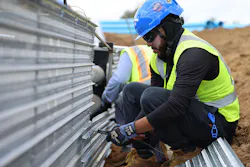
Roadblocks to growth
As they take on new data center projects, contractors must not only meet environmental and sustainability requirements but also face the challenge of a skilled labor shortage and properly staffing the job site.
For example, Gaylor Electric experienced rapid employment growth in 2025 with more than 700 electricians on a single project and multiple projects running at the same time. To tackle the labor shortage head-on, the contractor has focused on increasing its recruiting and education programs. For example, its in-house Gaylor University oversees 800 apprentices across the country.
Throughout North America, however, contractors are experiencing a lack of labor on data center projects. In Canada, getting the correct labor and competencies on the work site is one of the most significant risks, Magee said.
“There is a shortage of talent during the construction of data centers, and the assumption that existing electrical trade skills could transfer directly has proven wrong,” he said. “There is a lot of specialized knowledge required.”
Craftworkers and the availability of a skilled workforce are critical in data center construction because these projects require specialized expertise to meet aggressive timelines and ensure the facility's long-term reliability and performance. Shortages of qualified labor can cause significant delays, cost overruns, and quality control issues, according to Garcia.
“The demand for new data centers driven by AI and cloud services means projects operate on condensed and aggressive schedules,” Garcia said. “A lack of available, qualified personnel is a primary bottleneck that can cause substantial delays, impacting the time it takes for a facility to become operational and generate revenue. Every day, a project is delayed can cost hundreds of thousands of dollars in potential lost revenue and contract penalties.”
Because data centers are complex, mission-critical facilities, they demand specialized skills beyond general commercial construction. For example, the craftworkers must be experts in areas such as advanced electrical systems and power distribution, complex cooling technologies, and network infrastructure and structured cabling. Project managers should also have experience in large-scale mechanical, electrical, and plumbing coordination and controls and commissioning processes. In addition, the workforce must be laser-focused on quality control and reliability, since data centers require high precision in every installation to ensure optimal performance and prevent costly downtime.
“Experienced craftworkers understand these strict requirements, reducing the risk of errors, rework, and potential safety issues that can arise when understaffed or forced to use inadequately trained labor,” Garcia said. “Having sufficient and skilled craft isn't just about filling roles; it is a critical strategic factor that directly determines a data center construction project's success, safety, and financial viability.”
Labor shortages can drive up costs in several ways. For example, contractors must offer higher compensation to attract and retain the limited pool of skilled talent. If they must import specialized crews from other regions or countries, they must cover the cost of travel, lodging and per diems, layering on significant expenses. By having a stable and available workforce, a contractor can ensure smooth workflows and communication and prevent inefficiencies and miscommunication that can lead to bottlenecks and wasted resources.
“Effective communication is the backbone of any successful data center project,” Garcia said. “It is essential for aligning diverse teams, preventing costly delays, ensuring safety, managing complex technical requirements, and keeping projects on budget. Without it, confusion, rework and major risk to schedules, quality and budget arise.”
Best practices for thriving in this sector
Entering the data center market demands a commitment to mission-critical quality assurance and controls, Goodrich said.
“Contractors must have robust manufacturing capabilities and the capacity to meet aggressive schedules while adhering to strict compliance standards,” he said. “Without these fundamentals, success in this high-stakes environment is nearly impossible.”
By working on data center projects nationwide, Gaylor has learned one key lesson: manufacture more.
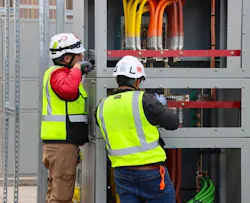
“Off-site manufacturing allows us to control speed, quality, and safety in ways traditional methods cannot match,” Goodrich said.
In addition, Gaylor Electric has implemented advanced testing protocols at the job site to verify that every system, installed component, and piece of equipment functions exactly as intended before they turn the property over to the owner. This best practice ensures a seamless handoff and complete confidence in operational readiness, Goodrich added.
Fabrication is crucial in data center construction for its ability to dramatically speed up project timelines, improve quality and precision through controlled factory conditions, and enhance safety by reducing on-site work, Garcia said.
For example, components like walls, modules, and electrical skids are built in a factory while site preparation happens, which can shorten overall project duration by up to 30%. By manufacturing these components in a controlled factory environment with specialized tools, contractors can ensure accuracy, higher standards, and fewer defects, which are crucial for sensitive equipment.
“By moving fabrication off-site, data center owners gain critical agility, ensuring they can deliver reliable, high-density digital infrastructure faster and more efficiently than with traditional construction,” Garcia said. “It offers greater scalability and cost-efficiency via standardization and reduced waste, which are all vital for meeting the industry's relentless demand for capacity and rapid deployment. It allows for parallel construction, compressing schedules by months, and delivers higher-quality, more resilient structures ready for immediate integration, minimizing costly downtime.”
Looking to the future
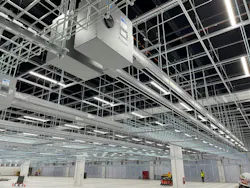
As the data center market continues to expand, executives from Loenbro expect future trends to focus on extreme density (1MW+ racks), liquid cooling, modular construction for speed, greater sustainability (renewables, AI-optimized energy), and building in new, less traditional markets.
In the segments served by Gaylor Electric, Goodrich said the growth trajectory is fueled by generative AI, ongoing cloud migration, and escalating computing demands.
“Looking ahead, power generation strategies, such as behind-the-meter solutions and nuclear energy exploration, will remain in focus,” he said. “However, the extended timeline for small modular reactor deployment creates a critical gap, which means exploring and implementing interim solutions to bridge the present and the future.”
Magee said the need to reduce the energy consumption of data centers will result in a migration to liquid cooling systems rather than traditional air-cooling methods.
“This will change the current approaches to construction and the competencies to build and maintain them,” Magee said. “This move toward energy efficiency is going to become part of an overall push for sustainable infrastructure.”
He expects AI workloads to continue to drive data center growth over the next five years.
“I think that it is an interesting time to be an electrician,” Magee said. “I've never seen an industrial infrastructure expansion at this scale.”
Top Trends in the Data Center Market
As electrical contractors look to embrace the data center boom—driven by generative AI and large language models (LLMs), continued cloud migration, and rapid growth in data from e-commerce, streaming, and IoT—Loenbro shares eight key electrical construction trends in the data center market to keep an eye on in 2026 and beyond.
- Massive increase in power density. Traditional data centers designed for 25 to 50MW are being replaced by facilities planned for 100 to 200MW, with some campuses exceeding 500MW.
“The electrical infrastructure must support high-density racks, which are projected to exceed 300kW by 2026, a significant jump from traditional levels,” said Miguel Garcia of Loenbro. - Strain on the electrical grid and on-site generation. The immense and rapidly increasing power demands of data centers are straining existing power grids and causing significant delays in grid connections, sometimes stretching timelines to several years. This has led to a surge in the adoption of on-site power generation solutions, including natural gas generators, large battery energy storage systems (BESS), and the exploration of small modular nuclear reactors (SMRs) for future baseload power.
- Advanced cooling integration. Higher power densities generate more heat, making traditional air cooling inefficient for many AI workloads. Electrical construction must now accommodate specialized infrastructure for advanced cooling solutions like direct-to-chip liquid cooling and immersion cooling systems, which require new piping, leak detection systems, and modified power distribution unit (PDU) designs.
- Modular and fabricated construction. To counter supply chain bottlenecks (especially for transformers and switchgear, which have long lead times) and speed up deployment, modular and fabricated electrical infrastructure solutions are becoming mainstream. “These 'plug-and-play' designs allow for faster, more scalable builds and improve quality control,” Garcia said.
- Focus on sustainability and energy efficiency. Environmental concerns and regulatory pressure are pushing developers to integrate renewable energy sources like solar and wind from the design phase. Electrical designs are incorporating smart grid integration and energy recovery systems such as capturing waste heat for other uses to optimize power usage effectiveness (PUE).
- Increased redundancy and resilience. As Tier III and IV data centers are in high demand, ensuring continuous operation is paramount. This requires multiple layers of redundant power and cooling systems, advanced backup generators, and sophisticated fire suppression systems.
- Skilled labor demand. The increasing complexity and specialization of these electrical systems, particularly in areas like medium-voltage arc-flash coordination and fiber-optic CT metering, are intensifying the demand for a highly skilled electrical workforce.
- AI-driven operations. Data centers are increasingly using AI for predictive maintenance, enhanced security, and real-time energy optimization, improving efficiency and reliability as systems grow more complex.
Best Practices for Data Center Construction
On a data center project with many trades and moving parts, electrical contractors focus on best practices to get the projects done on time every time. For example, Gaylor Electric centers on collaboration and precision and emphasizes “Quality by Plan,” “Manufacturing First,” and full commissioning readiness. To meet the standards of safety, reliability, and speed, the contractor also fosters strong connections across project teams and shares first-of-its-kind experiences.
Loenbro, another national contractor focused on the data center market, also shares five of its best practices to drive efficiency.
- QAQC and Cx: The teams focus early on each project’s Quality Assurance/Quality Control and Cx requirements by assigning dedicated team members early on to each project to drive consistency and conformity at a programmatic level.
- BIM/VDC services: Loenbro's building information modeling (BIM) services provide digital coordination, clash detection, and information management for complex industrial and mission-critical projects, leveraging 3D modeling, fabrication (like duct banks, light fixtures), shop drawings, QA/QC, and installation for optimized scheduling, reduced conflicts, and efficient construction in data centers.
- Prefabrication: This best practice can improve safety by having fewer craftworkers and activities on-site; reduce costs through standardized designs, bulk purchasing and less material waste; offer better resilience and thermal performance through pre-tested, integrated modules and building envelopes; and eliminate large internal electrical closets to free up valuable square footage for data halls.
- Apprenticeship program: Loenbro’s apprenticeship program offers hands-on training, primarily for electrician apprentices, combining on-the-job learning with formal education. Apprentices work under skilled journeymen, learning to install, troubleshoot, and service electrical systems while focusing heavily on safety, codes, and equipment operation in demanding mission critical environments.
- Transparency and communication: This best practice is critical in data center construction for aligning complex technical teams, preventing costly errors and downtime (which can cost thousands per minute), ensuring safety, managing strict timelines, and meeting high client expectations for trust and transparency in these fast-paced, high-stakes projects. “It bridges gaps between IT, facilities, construction, and the trades ensuring everyone understands intricate requirements, mitigates risks, and keeps the project moving efficiently,” Garcia said.
The Hidden Costs of AI’s Energy Surge
As more data centers continue to pop up in Colorado, the expansion has raised significant environmental concerns about the strain on the state’s resources, according to Loenbro, particularly:
- Water usage: Data centers, especially in hotter climates require substantial water for cooling systems.
- Grid strain and costs: The rapid, unpredictable growth in power demand is straining the electric grid. Ongoing debates about whether the increased capacity from data centers will lower rates by spreading fixed costs, or whether existing customers will end up paying for expensive, potentially unneeded, infrastructure upgrades, continue.
- Air quality: The use of diesel backup generators for maintenance and as a power source of last resort contributes to air pollution and associated public health costs, which reportedly tripled in some states from 2019 to 2023.
In response, a mix of policy actions and industry shifts is beginning to take shape.
Regulatory response: In response to these concerns, states are passing legislation to require greater analysis of impacts on electricity costs, but transparency around resource use remains a point of contention between tech advocates and consumer watchdogs.
Migration to rural locations: Data centers are moving to rural areas because they need vast amounts of cheap land, and abundant, affordable energy, and water, which are more readily available outside congested cities; fewer zoning rules in less populated areas ease construction, while tech companies offer economic boosts like jobs and taxes that attract rural communities despite concerns about strain on local resources and environmental impact.
Private natural gas power plants: Data centers are building their own gas-based power plants. Some key reasons for building on-site gas plants include:
- Grid bottlenecks and delays: Utility grids haven't kept pace with AI's massive power needs, leading to years-long waits for connections, a timeline data centers can't afford.
- AI's insatiable appetite: Training and running AI models (like ChatGPT) consumes enormous amounts of energy, requiring constant, heavy power supply for both computation and cooling.
- Speed-to-power: Natural gas generators can be deployed much faster (months) than other large-scale generation, allowing data centers to come online quickly.
- Reliability and stability: On-site gas provides "prime power," ensuring uninterrupted operations, which is crucial as grid instability and extreme weather increase.
- Energy independence: Self-generation reduces reliance on potentially strained public grids, giving companies control over their power supply.
- Economic and policy drivers: In places like Texas and Oklahoma, supportive policies encourage companies to build their own plants, securing local gas demand and tax revenue.
Together, these developments are driving a broader shift from traditional grid reliance to self-generated, always-on power, with on-site systems evolving from backup solutions to primary energy sources and a growing “bring your own power” (BYOP) approach — where data centers build dedicated generation, often natural gas paired with solar or battery storage — becoming increasingly common for large AI facilities.
What it Takes to Succeed in the Data Center Market
To enter the data center market, electrical contractors need to possess specialized technical skills, focus on high reliability and safety standards, and be prepared for rigorous project management and documentation protocols. Loenbro shares the following requirements for thriving in the data center market.
Specialized technical expertise should include:
- Complex power systems: Data centers require a deep understanding of complex electrical systems, including high-voltage, 3-phase power distribution systems. Experience with switchgear, transformers, and heavy-duty wiring suitable for immense energy loads is crucial.
- Backup power infrastructure: Expertise in installing, testing, and maintaining uninterruptible power supply (UPS) systems, battery systems, and backup generators with automatic transfer switches (ATS) is essential to ensure 24/7 uptime.
- Monitoring and control systems: Contractors should be familiar with building management systems (BMS) technology and electrical power monitoring systems (EPMS) to track power consumption, quality, and integrate electrical systems with cooling infrastructure.
- Cooling integration: An understanding of various cooling technologies (e.g., hot/cold aisle containment, liquid cooling) and their power demands is needed to coordinate with mechanical teams and prevent equipment overheating.
- Network infrastructure basics: While IT staff handle specific hardware, an understanding of basic network infrastructure, cabling standards (like TIA/EIA-568), and how electrical systems support them is beneficial for coordination.
Operational and safety requirements include:
- Redundancy and reliability: All systems must be designed and installed with redundancy in mind (e.g., N+1 or 2N configurations) to be fault-tolerant and prevent downtime, which can be catastrophic.
- Rigorous safety standards: Adherence to strict safety protocols is paramount. This includes OSHA 30 certification, NFPA 70E electrical safety training (especially regarding arc flash hazards), and implementing robust risk management strategies.
- Security clearances: Crews often need to pass stringent background checks and obtain security clearances to access sensitive data center facilities.
- High-quality documentation and commissioning: A heavy emphasis is placed on detailed, accurate documentation, labeling, and rigorous, multi-stage commissioning processes to verify that all systems function correctly under load before the data center goes live.
Business and project management requirements include:
- Scalability and future proofing: Designs must be modular and scalable to accommodate future growth in power demands, particularly with the rise of AI and high-density computing.
- Project management and coordination: Data center construction involves numerous stakeholders and tight deadlines. Effective project management, excellent coordination with other trades (MEP), and the use of tools like BIM are crucial to avoid conflicts and delays.
- Supply chain management: Be prepared for long lead times for specialized electrical equipment (e.g., generators, switchgear, etc.). Strong relationships with electrical distributors and proactive planning are necessary.
- Performance guarantees: Contracts often include demanding performance guarantees and high liability limits, requiring careful review and appropriate insurance coverage, including errors & omissions (E&O) coverage.
- Skilled labor: The industry faces a shortage of skilled labor. Having access to a network of qualified, potentially traveling, electricians with industrial or mission-critical experience is a competitive advantage.
- Capital: Capital is important in the data center industry primarily because it is an extremely capital-intensive asset class with massive upfront and ongoing investment needs. This high capital requirement acts as a significant barrier to entry and drives the industry's structure and operations.
Geographical Hot Spots for Data Center Demand
As a nationwide electrical contractor, Gaylor Electric serves data center clients across the United States. In Indiana, where the contracting firm is headquartered, the demand is accelerating rapidly, said Chuck Goodrich, CEO of Gaylor Electric.
“The Midwest is becoming a strategic hub for hyperscale development thanks to its proximity to major fiber routes, transportation corridors, and logistics networks,” he said. “Indiana offers attractive incentives and abundant land, making it a prime location for large-scale facilities. These factors position Indiana as a unique and highly competitive market for data center growth.”
Data centers are crucial for powering AI, cloud services, and the internet, driving demand for massive computing power, but their location is shaped by connectivity, power and water access and land costs, said Miguel Garcia of Loenbro.
“In California and the West coast, this leads to conflicts over straining local resources like water and the energy grid compared to other states,” Garcia said. “For example, Virginia has high connectivity and incentives, and rural areas feature land and incentives. This creates debates over tax breaks versus environmental and community impacts.”
West/California:
- Proximity to users and demand: California hosts many data centers due to proximity to tech hubs, user bases, and high-speed internet infrastructure, reducing latency for services like AI, streaming, and gaming.
- Economic growth: Data centers attract investment, create tech/construction jobs, and boost local economies, though critics question the job-to-tax-break ratio.
- AI boom: The explosion in AI requires massive, energy-intensive processing, fueling construction to host servers for AI training and inference.
Differences from other regions:
- Water and energy stress: West Coast data centers, especially in hot climates, face acute water scarcity issues for cooling, leading to conflicts with agriculture and communities, unlike areas with more water.
- Power grid strain: The sheer energy demand (equivalent to small cities) strains local grids, particularly in the West where renewable energy availability meets high demand.
- Regulatory and incentive landscape: Virginia leads with incentives and fiber, while rural areas offer cheap land but less infrastructure. California balances growth with environmental concerns but struggles with resource demands.
- Community impact: Rural areas see more debate over massive facilities impacting water tables and small-town services, while dense areas face power grid and water debates, according to NPR and Stanford University.
About the Author
Amy Fischbach
Amy Fischbach is a freelance writer, editor, and host of the Line Life Podcast based in Overland Park, Kan. Contact her at [email protected].